Low Energy & Weakness in Men - Causes, Challenges & Solutions
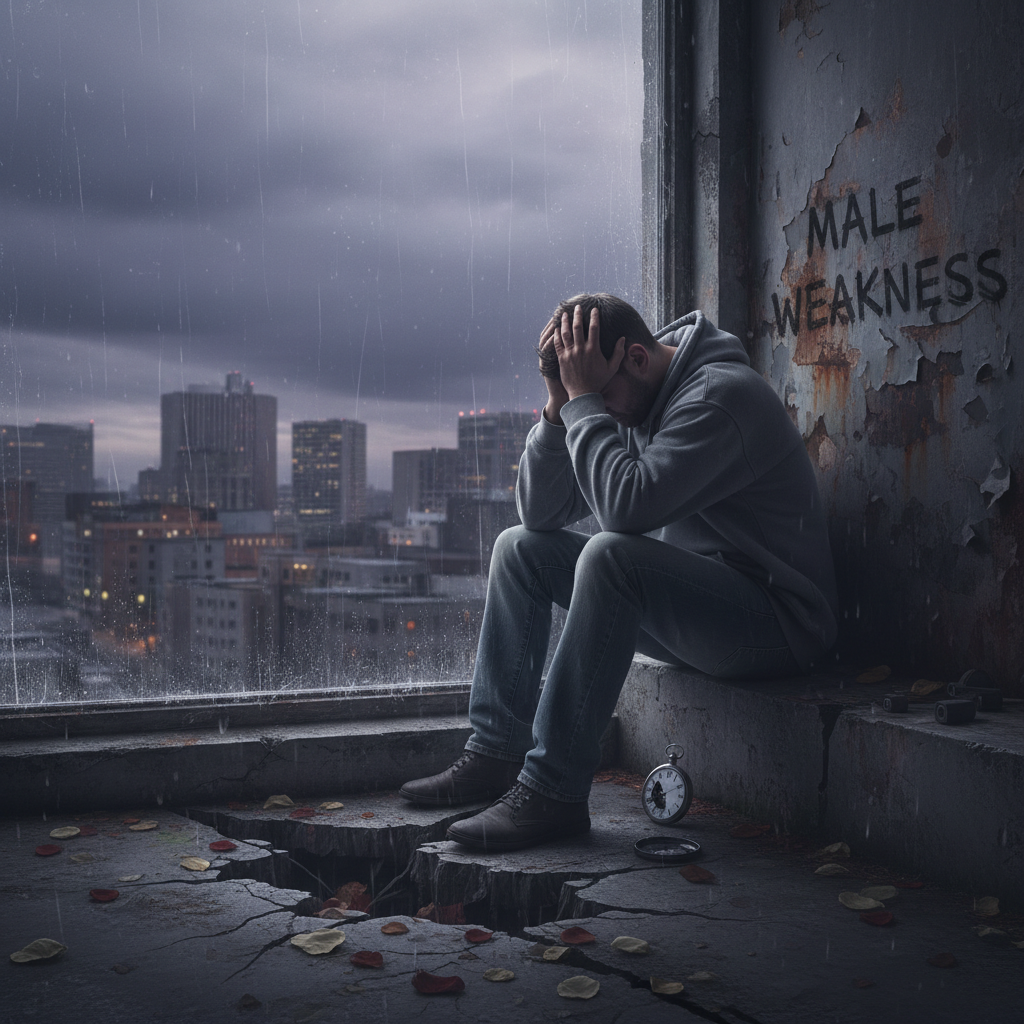
This educational article is written in the voice of a experience in men’s health, hormonal health, and relationship well-being.
1. Introduction Why This Topic Matters for Men of All Ages
Low libido and decreased sexual vitality are extremely common today. Surveys show that nearly **35–40% of men experience libido decline** at some point, especially after age 35. However, most men avoid talking about it due to embarrassment, social pressure, or fear of judgment.
2. What Is Low Libido? (Simple Explanation)
Libido refers to a man's natural desire or interest in intimacy. When libido drops, a man may notice:
- Reduced interest or motivation
- Difficulty feeling emotionally engaged
- Lower physical energy
- Reduced confidence
This is often accompanied by what men describe as **“sexual weakness”**, which medically refers to:
- Low physical stamina
- Low hormonal drive
- Mental or emotional fatigue linked with intimacy
3. Why Does Low Libido Happen?
Based on decades of clinical observation, here are the **real-world causes**:
Hormonal Causes
- Low testosterone due to age, stress, lifestyle, or medical conditions
- Thyroid imbalance lowering metabolic and energy levels
- High cortisol (stress hormone) suppressing sexual desire
Medical Causes
- Diabetes or insulin resistance
- High blood pressure
- Heart conditions
- Obesity or central belly fat
- Chronic liver issues (fatty liver)
- Sleep apnea
Psychological Causes
- Anxiety
- Work pressure
- Relationship stress
- Body-image issues
- Depression or suppressed emotions
Lifestyle Causes
- Late-night work culture
- Poor diet and nutrient deficiencies
- Lack of proper rest
- Excessive screen time
- Sedentary lifestyle
4. Challenges Men Face in Daily Life Due to Low Libido
Low libido affects far more than health it impacts self-esteem, mood, confidence, and personal identity. Many men report challenges such as:
- Feeling less motivated or energized
- Struggling with focus or productivity at work
- Overthinking or self-doubt
- Avoiding situations that require confidence
- Feeling "less like themselves"
- Difficulty expressing emotional needs
- Reduced enthusiasm for personal goals
5. Impact on Marriage & Relationships
Low libido can affect both partners emotionally and mentally. Couples may face challenges such as:
- Misunderstanding or communication gaps
- Partner feeling unwanted or unattractive
- Man feeling pressure to perform even when exhausted
- Emotional distance building over time
- Loss of intimacy leading to tension
- Anxiety about relationship future
- Feelings of guilt or frustration
6. How Stress Plays a Major Role (Often Ignored)
In my 30 years of clinical practice, stress is the **#1 hidden cause** of low libido today.
- Long office hours
- Financial pressure
- Digital overload
- Constant mental multitasking
- Smartphone-driven burnout
These conditions raise cortisol, which lowers testosterone and reduces both desire and performance confidence.
7. Nutritional Deficiencies Linked With Libido Decline
- Vitamin D deficiency → low testosterone
- Magnesium deficiency → fatigue + hormonal imbalance
- Zinc deficiency → reduced male hormonal drive
- Omega-3 deficiency → mood + heart issues
- B12 deficiency → nerve + energy dysfunction
8. Doctor’s Step-by-Step Solution Framework (Safe & Effective)️
This framework focuses on **health restoration**, not shortcuts.
Step 1 Identify the Root Cause
- Blood tests (testosterone, thyroid, vitamin D, sugar levels, lipids)
- Medical history review
- Lifestyle analysis
Step 2 Improve Lifestyle Hormone Naturally
- Daily 30-minute walk
- Strength training 2–3× weekly
- Reduce sugar and processed foods
- Increase protein (veg or non-veg)
- Sleep 7+ hours
- Limit alcohol & smoking
Step 3 Strengthen Emotional & Relationship Health
- Open communication with partner
- Reduce relationship stress triggers
- Practice relaxation techniques
Step 4 Professional Intervention (If Needed)
- Treat chronic illnesses (diabetes, BP, thyroid)
- Balance hormones medically (only under doctor supervision)
- Treat nutrient deficiencies
- Address psychological stress with counseling if needed
9. Daily Habits That Improve Libido Naturally
- Morning sunlight exposure
- Hydration (2.5–3 liters/day)
- Balanced protein-rich diet
- Reduce late-night screen time
- Yoga or meditation
- Walking after meals
- Avoiding mental burnout
10. When Should a Man Seek Medical Help?
- Low libido lasting more than 3 months
- Accompanied by fatigue or depression
- History of diabetes or BP issues
- Major relationship stress due to low desire
- Rapid weight gain or hormonal symptoms
11. My Final Message After 30 Years of Treating Men
Low libido is not a "male weakness" it is a **medical, emotional, and lifestyle condition** that can be improved. With the right steps, men regain their confidence, vitality, emotional closeness, and overall well-being.
You deserve a healthy mind, a strong body, a peaceful relationship, and a confident life. Never hesitate to seek help — healing begins with awareness.
Best Mens Low Energy Management No 1 Product Supplements
👉 Best Supplement for Mens Performance Issue - Prime Perform
👉 Best Supplement for Mens Performance Issue - Vital Force
👉 Best Supplement for Mens Performance Issue - Vital Boost Pro
👉 CircO2 Nitric Oxide Boosts energy and increases stamina
View List Click Here
Men Power (Weekness) Care Products
View List Click Here
Men Power (Weekness) Care Products