Why Brain, Nerve & Other Organ Care Is Essential for Men & Women with High Blood Sugar Over 50
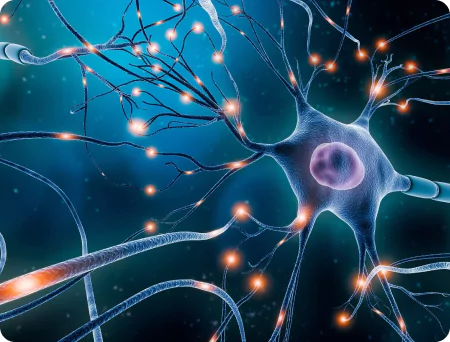
This page explains how high blood sugar harms the brain, nerves, and organs, why people over 50 are especially vulnerable, and exactly what to do (step-by-step) to protect your body and keep life active and independent.
Short summary
- High blood sugar (hyperglycemia) accelerates damage through small vessel injury, inflammation, oxidative stress, and toxic metabolites.
- After age 50 the brain and nerves have less biological reserve damage shows up faster and recovery is slower.
- Common consequences- cognitive decline, stroke, peripheral neuropathy (pain, numbness), retinopathy (vision loss), nephropathy (kidney disease), heart disease, sexual dysfunction, and poor wound healing.
- Effective protection = tight but safe blood sugar control, blood pressure and lipid control, weight loss, targeted exercise, sleep, and specific medicines or supplements when needed.
- This article gives a practical prevention and recovery plan you can use today.
1. Why the brain & nerves are at special risk in people over 50
Due to ageing lowers repair capacity, and high blood sugar speeds up harmful processes.
- Reduced neuroplasticity: After 50 the brain's ability to rewire and repair falls small injuries add up.
- Microvascular vulnerability: Tiny blood vessels that feed nerves and brain tissue become fragile. High glucose damages these vessels faster.
- Chronic inflammation: Aging + hyperglycemia increases inflammatory signals that harm neurons.
- Comorbid conditions: High blood pressure, abnormal lipids and fatty liver are common after 50 — they compound damage.
- Medication and metabolism changes: The way the body processes drugs and glucose changes with age, affecting treatment and risk.
2. The mechanics exactly how high blood sugar damages organs
- Glycation & AGEs (Advanced Glycation End-products) sugar sticks to proteins and fats, forming AGEs that make tissues stiffer and dysfunctional.
- Microvascular injury high glucose injures the inner lining of small blood vessels (endothelium), reducing blood flow to nerves, retina, kidneys and brain.
- Oxidative stress excess sugar increases free radicals that damage cell membranes and DNA.
- Inflammation glucose and fat molecules activate immune cells that release harmful cytokines.
- Metabolic toxin buildup things like sorbitol accumulate in nerve cells, causing swelling and dysfunction.
- Lipid and mitochondrial damage poor metabolic control impairs energy factories (mitochondria) in brain and muscle cells.
- Autonomic dysfunction high sugar injures nerves that control bladder, gut, heart rate and sexual function.
3. Organ-by-organ impact what to watch for (symptoms + why they matter)
Brain cognition, memory, and stroke risk
- What happens: Repeated high sugar episodes cause microinfarcts, inflammation and accelerated brain volume loss.
- Common signs: Forgetfulness, slowed thinking, difficulty multitasking, frequent brain fog, poor balance, sudden weakness (stroke warning).
- Why it matters: Cognitive decline reduces independence; stroke can cause long-term disability.
Nerves peripheral neuropathy & autonomic neuropathy
- What happens: Long nerves (to feet and hands) are first affected loss of sensation and painful burning are common. Autonomic nerves (bladder, gut, heart) may also be affected.
- Common signs:
- Burning, tingling, numbness in toes/feet (often worse at night)
- Loss of balance, frequent tripping
- Bladder problems (urgency, incomplete emptying), constipation, dizziness on standing
- Why it matters: Loss of feeling leads to foot ulcers and infections; autonomic problems can cause falls, urinary infections and sexual dysfunction.
Eyes retinopathy & vision loss
- What happens: Small retinal vessels leak or grow abnormally, reducing vision.
- Common signs: Blurred vision, floaters, sudden loss of vision.
- Why it matters: Preventable major cause of blindness in older adults with diabetes.
Kidneys diabetic nephropathy
- What happens: Glomerular injury reduces filtering capacity; protein appears in urine and kidney function declines.
- Common signs: Swelling (feet, ankles), protein in urine, rising creatinine.
- Why it matters: Kidney failure requires dialysis or transplant; also increases heart disease risk.
Heart & blood vessels heart attacks & vascular disease
- What happens: Atherosclerosis accelerates (plaque in arteries), and small vessels in the heart are affected.
- Common signs: Chest pain, exertional breathlessness, unexplained fatigue.
- Why it matters: Heart disease is the top cause of death in people with diabetes.
Liver fatty liver and progression to NASH
- What happens: Insulin resistance drives fat accumulation in liver cells and inflammation (NASH).
- Common signs: Often silent; may have fatigue, mild pain under right ribs, abnormal liver tests.
- Why it matters: Untreated NASH can cause cirrhosis and increases heart disease risk.
Skin, immune system & wound healing
- Poor wound healing, recurrent infections, persistent fungal infections, skin dryness and itch.
- Even small cuts can progress to deep infections if sensation is reduced.
4. Common causes that make organ damage more likely after 50
- Longer duration of diabetes
- Poor blood sugar control or frequent highs
- High blood pressure (untreated or uncontrolled)
- High cholesterol / triglycerides
- Obesity, especially central belly fat
- Smoking and alcohol use
- Sleep apnea (uncontrolled), sedentary lifestyle
- Undertreated comorbidities and poorer access to preventive care
5. The good news which damage is preventable or reversible?
Many harmful processes are either preventable or partially reversible when detected early and managed aggressively. Realistic expectations:
- Reversible / improveable: Blood sugar swings, early neuropathic symptoms, fatty liver, early cognitive slowing, poor sleep, some autonomic symptoms.
- Partially reversible: Early retinopathy, early kidney damage (with blood pressure and glucose control).
- Less reversible but preventable: Major strokes, advanced kidney failure, advanced retinopathy and severe neuropathic disability.
6. Exactly what to do today a practical, no-nonsense action plan (doctor-to-patient)
Follow this checklist. Each step is evidence-based and aimed at protecting brain, nerves and organs.
Daily essentials (every day)
- Blood sugar control: Aim for individualized targets your doctor sets. Typical safe targets for many over 50: fasting 100–140 mg/dL, post-meal Less 180 mg/dL but individualize with your clinician.
- Blood pressure: Keep under 130/80 mmHg if tolerated (your doctor will advise).
- Cholesterol management: Take statin if prescribed and follow diet.
- Move regularly: Walk 30 minutes most days + strength training 2–3 times/week.
- Nutrition: Prioritize protein, non-starchy vegetables, controlled portions of starchy carbs, reduce sugar and refined carbs.
- Hydration & bladder care: Stay hydrated; report burning or urinary symptoms early (could indicate infection or autonomic dysfunction).
- Foot care: Check feet daily for cuts, redness, blisters; wear proper shoes.
Weekly targets (each week)️
- Weight check once a week — aim for gradual loss if overweight (0.25–0.5 kg/week).
- Record at least 3 fasting glucose and 3 post-meal readings across the week to spot patterns.
- Stretching and balance work (e.g., 10 minutes of yoga or balance drills) 2–3 times/week.
Medical & monitoring actions (must do)
- Annual retinal exam by an ophthalmologist (sooner if vision changes).
- Urine microalbumin (ACR) and serum creatinine every 6–12 months.
- Neuropathy assessment: monofilament test and vibration testing at least yearly.
- BP check at home and medication review regularly.
- Discuss medications that protect organs (e.g., SGLT2 inhibitors or GLP-1 agonists for appropriate patients — your doctor will advise).
- Vaccines: influenza, pneumococcal, and shingles as recommended.
7. Diet specific foods that protect the brain & nerves️
Use food as therapy. Small changes add up.
- Protein at every meal preserves muscle, supports repair (eggs, fish, poultry, legumes, paneer).
- Non-starchy vegetables spinach, broccoli, capsicum, cauliflower.
- Healthy fats fatty fish (omega-3), olive oil, nuts, seeds.
- Low glycemic carbs millets, lentils, legumes, moderate oats and barley.
- Anti-inflammatory spices turmeric, cinnamon, ginger, garlic.
- Avoid high sugar fruits & juices use berries in small amounts if needed.
- Limit alcohol especially with fatty liver or neuropathy.
8. Exercise the targeted moves that protect nerves and brain
- Aerobic activity: 30 minutes brisk walking most days — lowers blood sugar and improves brain blood flow.
- Resistance training: 2–3 times/week squats, sit-to-stand, resistance bands to increase muscle glucose uptake.
- Balance & proprioception: Heel-to-toe walk, single-leg stand reduces fall risk with neuropathy.
- Post-meal walking: 10–15 minutes after meals blunts post-meal glucose spikes.
9. Medications & treatments your doctor may recommend
Every medicine has pros/cons discuss with your clinician.
- Glucose-lowering drugs: Metformin, SGLT2 inhibitors, GLP-1 receptor agonists, DPP-4 inhibitors, insulin when needed.
- Medications protecting kidneys & heart: ACE inhibitors/ARBs, SGLT2 inhibitors (where appropriate).
- Neuropathic pain: Gabapentin, pregabalin, duloxetine, topical agents.
- Lipid therapy: Statins to reduce heart and stroke risk.
- Supplements (adjuncts): Alpha-lipoic acid, B12 (especially if on metformin), vitamin D, magnesium — only after doctor approval.
10. Special focus: urinary symptoms, burning, and bladder care
You asked earlier about urine burning (jalan). Here's a focused plan.
- Possible causes: urinary tract infection, high urine sugar (glycosuria), autonomic bladder dysfunction, acid urine or stones.
- Immediate steps:
- Drink enough water (2–3 litres/day unless restricted by heart/kidney issues).
- Do a urine test (routine + culture) to rule out infection.
- Control blood sugar high sugars make infections more likely and slow healing.
- Preventive tips:
- Urinate regularly; avoid holding urine for long periods.
- Maintain genital hygiene; wear breathable cotton undergarments.
- Limit irritants: reduce spicy foods, caffeine, and alcohol when symptoms are present.
- When to see a doctor: burning that lasts >48–72 hours, fever, blood in urine, or inability to urinate.
11. Practical 12-week plan what to do each month
Weeks 1–4: Build the basics
- Start blood sugar and BP log (home monitor).
- Daily walking 20–30 minutes; post-meal 10 minute walk.
- Cut sugary drinks and refined carbs; add protein to breakfast.
- Ask doctor for urine test and baseline labs (HbA1c, lipids, LFT, kidney tests).
Weeks 5–8: Intensify & monitor
- Add resistance training twice weekly.
- Follow up on lab results; start or adjust meds if advised.
- Foot and eye check if not done recently.
Weeks 9–12: Consolidate gains
- Review progress with doctor; adjust goals.
- Target modest weight loss (if needed) and improved exercise capacity.
- Address any persistent urinary symptoms or neuropathic pain with specific therapy.
12. Red flags seek urgent care if you notice these
- Sudden weakness or numbness on one side of body → possible stroke.
- Sudden severe headache, vision loss, slurred speech.
- Chest pain, difficulty breathing.
- Fever + burning urination + inability to pass urine.
- Foot wound with spreading redness, fever, or pus.
13. FAQ short answers to common patient questions
Q: Can neuropathy improve?
Yes, early neuropathic symptoms often improve with good glucose control, exercise and targeted medications. Severe long-standing nerve loss is harder to reverse.
Q: Will tighter sugar control prevent dementia?
Good control reduces risk but doesn't eliminate it. Blood pressure and cholesterol control, exercise and social engagement also protect the brain.
Q: Are supplements needed?
Some supplements (B12, vitamin D, alpha-lipoic acid) help certain patients — but discuss with your doctor before starting.
14. Daily checklist you can copy and use
[ ] Morning: warm water, light stretch
[ ] Breakfast: protein + veg
[ ] Walk 20–30 min (post-meal 10 min)
[ ] 2–3 litres water (unless limited by doctor)
[ ] Blood sugar checks as advised
[ ] 10 minutes evening strength/balance work
[ ] Foot check before bed
[ ] Sleep 7+ hours
15. Final words
After 30 years caring for patients, I've learned this: age alone is not destiny. Many people in their 60s and 70s stay sharp, mobile and independent because they focus on what matters stable blood sugar, blood pressure control, movement, sleep, and regular medical care. Small, consistent steps protect your brain, nerves and organs more than dramatic one-time fixes.
Use the plan on this page as your daily map. Share it with your family doctor and make a joint, realistic target. If you want, I can convert this into a printable PDF or a two-page checklist for your clinic visits.
Why Brain, Nerve & Other Organ Care Is Essential for Men & Women with High Blood Sugar Over 50
View List Click Here
Brain Health - Brain Mental Clarity & Focus